
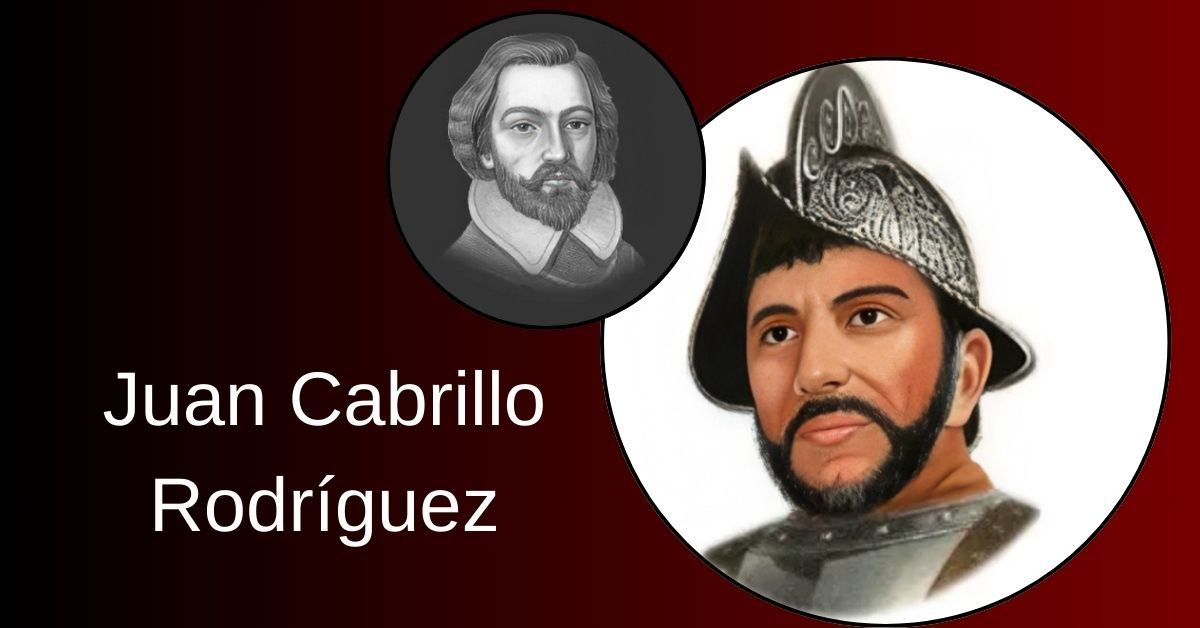
Juan Cabrillo Rodríguez was a Portuguese explorer. He sailed along the California coast in 1542. He was the first European explorer to see the San Diego Bay. Cabrillo’s mission was to find new lands for Spain. He sailed with ships like the San Salvador and Victoria. Cabrillo faced many challenges, like storms and scurvy.
He explored Point Loma and Monterey Bay. His journey helped map the Pacific Coast. He was also known for his leadership. He worked with other explorers like Bartolomé Ferrer. His legacy continues today with the Cabrillo National Monument, a famous historical landmark.
Profile Summary
| Category | Details |
| Full Name | Juan Rodríguez Cabrillo |
| Born | 1499, Portugal |
| Died | 1543, San Miguel Island, California |
| Occupation | Explorer, Conquistador, Navigator |
| Known For | First European to explore the California coast and San Diego Bay |
| Significant Journey | 1542 Expedition along the Pacific Coast for Spain |
| Ship Used | San Salvador |
| Challenges Faced | Scurvy, storms, and harsh conditions during his voyage |
| Legacy | Honored at the Cabrillo National Monument in San Diego Bay |
| Key Contribution | Helped map the Pacific Coast for Spain and influenced future explorations |
Cabrillo’s Net Worth
Cabrillo’s net worth is hard to estimate. He was a Spanish explorer and conquistador. Cabrillo sailed along the California coast in the 1500s. His mission was for Spain’s empire. Juan Rodríguez Cabrillo helped map the Pacific Coast and discover new lands. He sailed aboard ships like the San Salvador. His work helped Spain expand its territory.
Cabrillo also faced many dangers, such as scurvy and storms. He passed away before seeing the full impact of his work. Cabrillo’s legacy is honoured today at the Cabrillo National Monument in San Diego Bay. His historical contributions continue to inspire explorers and historians.
Cabrillo’s Biography
Cabrillo’s biography tells the story of a brave Spanish explorer. Juan Rodríguez Cabrillo was born in Portugal. He became a conquistador and sailed to the New World. In 1542, he explored the California coast for Spain. Cabrillo sailed on ships like the San Salvador and reached places like San Diego Bay.
He faced many dangers during his voyage, including storms and scurvy. Cabrillo’s journey helped map the Pacific Coast. He made important discoveries for Spain. After his death, his legacy lived on. Today, the Cabrillo National Monument honours his achievements. Juan Cabrillo’s biography is an important part of exploration history.
Early Life & Family
Early life and family are important parts of Juan Rodríguez Cabrillo’s story. He was born in Portugal around the year 1499. Cabrillo came from a poor family. He grew up with a desire to explore. As a young man, he joined the Spanish army. Cabrillo became a soldier and later a conquistador.
He moved to the New World to seek adventure. Cabrillo’s family supported his dream of exploration. He later sailed along the California coast to Spain. Cabrillo was married and had children. His family helped shape his journey. Cabrillo’s early life set the stage for his later exploration and historical significance.
Cabrillo’s Education
Cabrillo’s education is not well-known. He was born in Portugal around 1499. As a young man, he joined the Spanish army and learnt many skills. Juan Rodríguez Cabrillo became a soldier and navigator. He had no formal education, but his experiences in the army taught him a lot.
Cabrillo gained knowledge about navigation, cartography, and shipbuilding. These skills helped him in his exploration of the California coast. He sailed under the flag of Spain and was trained in exploration. Cabrillo’s knowledge and bravery led him to important discoveries. His education came from life experiences and military training, not traditional schools.
Cabrillo’s Career
Cabrillo’s career was full of exploration and adventure. He started as a soldier in the Spanish army. Over time, he became a conquistador and navigator. Cabrillo sailed to the New World and explored new lands for Spain. In 1542, he led an expedition along the California coast.
He sailed aboard the San Salvador and discovered San Diego Bay. Cabrillo faced many challenges, like storms and scurvy. His career was dedicated to exploring and mapping the Pacific Coast. He worked with other Spanish explorers like Bartolomé Ferrer. Cabrillo’s career helped shape the history of Spanish colonialism in the Americas.
Awards & Achievements
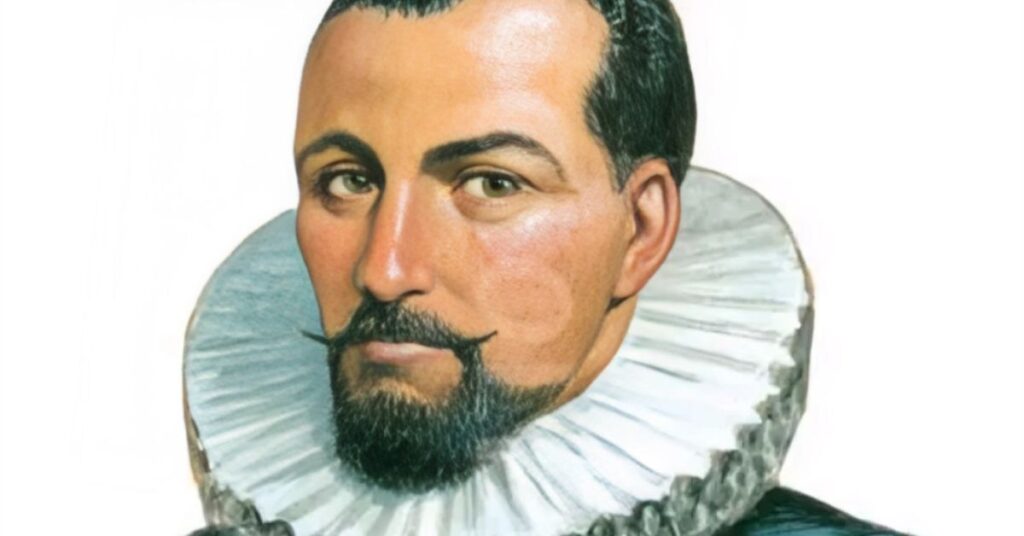
Cabrillo’s awards and achievements are not traditional. He did not receive medals or prizes. However, his exploration of the California coast in 1542 is one of his greatest achievements. Juan Rodríguez Cabrillo was the first European explorer to see San Diego Bay. His journey helped map the Pacific Coast for Spain.
Cabrillo’s work also opened the way for other explorers to follow. His legacy is honoured today at the Cabrillo National Monument. This monument celebrates his achievements in exploration history. Cabrillo’s awards are seen in his lasting impact on Spanish colonialism and the history of the New World.
Cabrillo’s Marriage
Cabrillo’s marriage is not well-documented in history. Juan Rodríguez Cabrillo was married, but details about his wife are unclear. He had a family and was known to have children. Cabrillo’s wife likely supported his exploration efforts. While Cabrillo was away on his missions, his family stayed behind.
His marriage was an important part of his life, but little is known about it. Cabrillo’s legacy focused more on his exploration and achievements as a Spanish explorer. He is best remembered for his California discovery and Pacific Coast journey. Though his marriage remains a mystery, his family life shaped his personal history.
Cabrillo’s Wife
Cabrillo’s wife is not well-known in history. Juan Rodríguez Cabrillo was married, but there are few details about his wife. Her name is not mentioned in most records. Cabrillo spent much of his life on exploration missions, like his famous journey along the California coast. His wife likely stayed behind while he sailed with his crew.
Juan Rodríguez Cabrillo’s legacy is focused on his work as a Spanish explorer and conquistador, not on his personal life. While little is known about Cabrillo’s wife, her support was important to his career. His marriage and family played a role in shaping his journey and exploration.
Cabrillo’s Legacy
Cabrillo’s legacy is important in California history. Juan Rodríguez Cabrillo was the first European explorer to see San Diego Bay. His expedition helped map the Pacific Coast for Spain. Cabrillo’s journey in 1542 opened the way for more explorers. He is remembered for his contributions to Spanish exploration and colonisation.
Today, the Cabrillo National Monument honours his achievements in San Diego Bay. His legacy lives on through the historical landmarks that mark his route. Cabrillo’s exploration helped shape the future of California and the New World. His journey left a lasting impact on American history and Spanish maritime exploration.
Cabrillo’s Facts
Cabrillo’s facts are important in history. Juan Rodríguez Cabrillo was a Portuguese explorer who sailed for Spain. In 1542, he became the first European to reach San Diego Bay. Cabrillo’s journey helped map the California coast. He sailed aboard the San Salvador and explored the Pacific Coast. Cabrillo faced many challenges, like storms and scurvy.
He died during his voyage but left a lasting impact on Spanish exploration. Today, his legacy is celebrated at the Cabrillo National Monument. Cabrillo’s facts include his contributions to the New World, the California discovery, and his role in the early history of Spanish colonisation.
Cabrillo’s Death & Burial
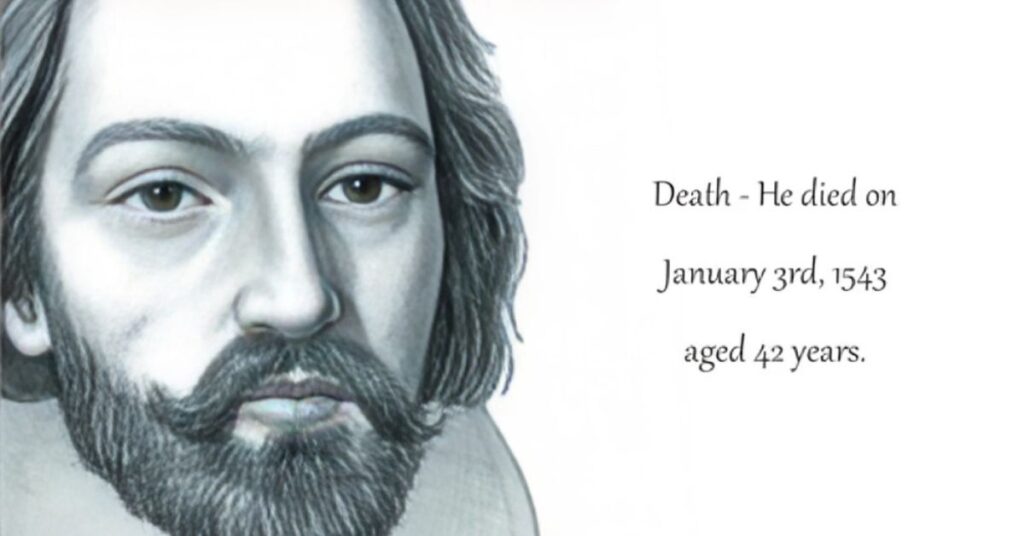
Cabrillo’s death is part of his exploration history. Juan Rodríguez Cabrillo died in 1543 during his voyage along the California coast. He suffered from scurvy and other health problems. Cabrillo passed away on San Miguel Island after a long journey. His crew continued the expedition, but without him.
Cabrillo’s body was buried on the island, though the exact spot is unknown. His death marked the end of his journey, but his legacy lived on. Cabrillo’s death is remembered at the Cabrillo National Monument in San Diego Bay. His burial site is a part of his lasting influence on Spanish exploration and California history.
Conclusion
Juan Cabrillo Rodríguez was a key figure in Spanish exploration. He was the first European explorer to reach San Diego Bay and explore the California coast. His expedition in 1542 helped map the Pacific Coast for Spain. Cabrillo faced many challenges, including storms and scurvy, but his courage and leadership led to important discoveries.
Though he died during his voyage, his legacy lives on through the Cabrillo National Monument in San Diego Bay. Cabrillo’s journey paved the way for future explorers and shaped the history of California and the New World. His contributions to Spanish colonisation are still remembered today.
FAQ’s
What did Juan Cabrillo discover?
He was the first European to reach San Diego Bay and explore the Pacific Coast.
When did Juan Cabrillo die?
Juan Cabrillo died in 1543 during his expedition due to scurvy and other health issues.
Where is Juan Cabrillo buried?
He was buried on San Miguel Island, though the exact burial site is unknown.
What is Cabrillo’s legacy?
Juan Cabrillo’s legacy is honoured today at the Cabrillo National Monument in San Diego Bay.
What challenges did Cabrillo face?
Cabrillo faced many difficulties, including storms, scurvy, and limited supplies during his exploration.

Welcome to Orbit Glam! I’m Lucas Henry, an AI-Powered SEO, and Content Writer with 6 years of experience.I’m Fredaston , Owner, Admin and Author of this Website.